
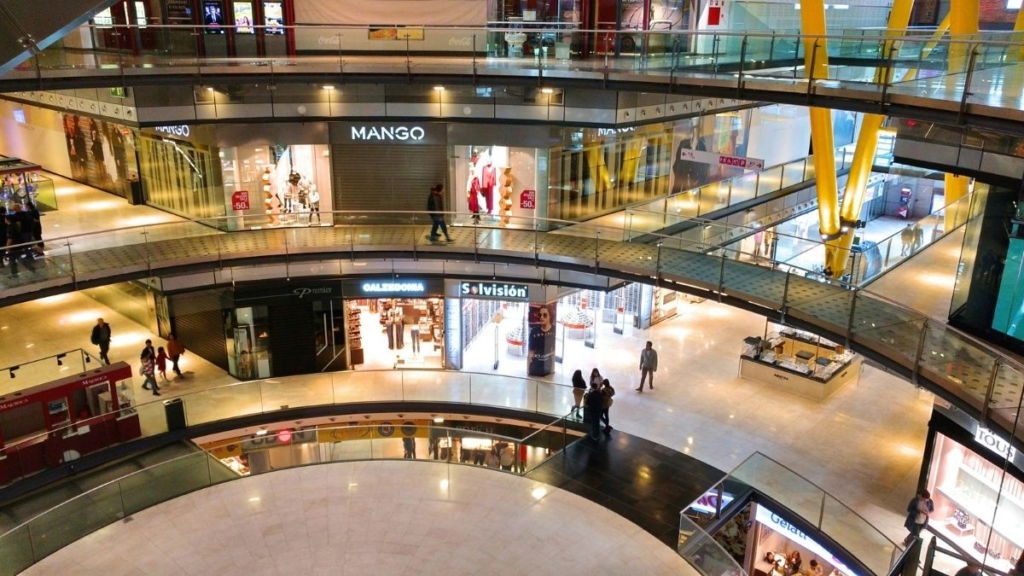
How AI-powered cameras are helping retailers understand customer behavior, optimize layouts, and increase conversion rates.
Walk into any modern retail store and you’ll see cameras everywhere. But if you think they’re just recording security footage for post-incident review, you’re missing a revolution happening in plain sight.
Today’s smart cameras don’t just watch—they understand. They count customers, analyze shopping patterns, measure queue lengths, and generate business intelligence that was previously impossible to gather. For retailers around the world, this technology is transforming operations from guesswork to data-driven decisions.
The shift is dramatic: traditional cameras are passive recording devices reviewed only after incidents. Smart cameras are active business tools that analyze behavior in real-time, alert staff to opportunities or problems, and integrate with other systems to drive immediate action.
If you’re still thinking of cameras primarily as loss prevention, this article will show you capabilities that directly impact your bottom line.
What Makes a Camera "Smart"?
Three key technologies transform cameras from recorders to intelligence tools:
1. AI and Computer Vision Modern cameras use artificial intelligence trained on millions of images to recognize objects, people, and behaviors. They distinguish between browsing and purchasing intent, measure dwell time at displays, and detect patterns humans might miss.
2. Edge Processing Analysis happens on the camera itself rather than requiring powerful servers. This reduces costs, improves privacy (video doesn’t leave your premises), and maintains functionality during internet outages.
3. Business System Integration Real value comes from connecting cameras with your point-of-sale, inventory management, and staff scheduling systems. Traffic counts correlated with sales data reveal conversion rates. Behavior patterns inform inventory placement.
The fundamental shift: cameras that understand context and inform decisions, not just record events.
Use Case 1: Traffic Pattern Analysis
What It Does: Smart cameras track customer flow through your store, identifying high-traffic zones, underutilized areas, and typical customer paths. Heat maps visualize where customers spend time versus areas they bypass.
Business Impact: This transforms layout decisions from intuition to data. Instead of guessing where to place high-margin products, position them where customers naturally browse longest. Identify cold zones that need redesign or different merchandise.
Example Scenario: Consider a fashion retailer noticing that 70% of entering customers turn right and browse that side thoroughly, while only 30% explore the left side. Moving premium accessories and seasonal items to high-traffic right-side displays could significantly increase sales without any additional marketing—simply strategic placement based on actual behavior.
What You Learn:
- Hot zones where customers naturally congregate
- Paths customers typically follow
- Areas where customers pause to examine products
- Time-of-day patterns in traffic flow
- Impact of window displays on entry decisions
- Before/after metrics for layout changes
Use Case 2: Conversion Rate Tracking
What It Does: By counting foot traffic entering your store and correlating with POS transactions, cameras calculate actual conversion rates—the percentage of visitors who become buyers.
Business Impact: Conversion rate separates marketing effectiveness from operational execution. High traffic with low conversion indicates in-store problems: service quality, merchandising, pricing, or staff training needs. Low traffic with high conversion indicates marketing opportunities—you close sales well but need more visitors.
Example Scenario: Imagine discovering conversion rates drop 40% on specific days despite steady traffic. Investigation might reveal scheduling issues—perhaps your best salesperson is off, or staffing is thin during unexpected busy periods. Without systematic tracking, these patterns remain invisible.
What Conversion Data Reveals:
- Baseline performance by time, day, season
- Marketing campaign impact on both traffic AND conversion
- Staff effectiveness patterns
- Promotional effectiveness
- Store layout changes impact
- Training opportunities
Integration Power: When cameras integrate with POS systems, analysis becomes automatic. Every hour shows: visitors, transactions, conversion rate. Deviations trigger investigation while issues are fresh, not after frustrated customers leave negative reviews.
Final Thoughts
Smart cameras represent the convergence of physical retail and digital intelligence. They transform security devices into business intelligence tools that understand customer behavior, measure operational effectiveness, and optimize continuously.
The retailers thriving in global competitive markets aren’t guessing about customer preferences—they’re measuring them. They’re not wondering why conversion dropped—they’re analyzing patterns systematically. They’re not placing merchandise based on intuition—they’re following actual traffic data.
Security footage remains valuable, but it’s just the beginning. When cameras become sensors that make operations smarter, ROI multiplies across revenue growth, operational efficiency, and competitive positioning.
The question isn’t whether smart cameras add value—it’s how quickly you implement them relative to competitors.
Ready to Transform Your Customer Experience?
CueTech designs and implements smart camera solutions tailored to MENA retail and hospitality operations—from traffic analytics to service quality monitoring, energy optimization to guest experience enhancement.
Schedule a complimentary assessment to discover how smart cameras can enhance your customer experience and operational efficiency.